Introduction
In today’s rapidly evolving agricultural landscape, Precision Agriculture has emerged as a game-changer. Powered by IoT (Internet of Things) devices and Artificial Intelligence (AI), it’s helping farmers around the world boost productivity, optimize resource use, and make smarter, faster decisions. If you’re in agriculture, agritech, or food production, this trend isn’t just the future—it’s already here.
What is Precision Agriculture?
Precision Agriculture (PA) is a farming management concept that uses digital technologies to monitor and optimize agricultural operations at a micro level. Unlike traditional blanket farming methods, PA enables site-specific crop management—meaning farmers can treat different parts of their fields uniquely based on real-time data.
At its core, precision farming is about doing the right thing, in the right place, at the right time.
Core Technologies Behind Precision Agriculture
1. IoT Sensors
Sensors installed in soil, crops, equipment, and weather stations collect vital data such as:
- Soil moisture and pH
- Temperature and humidity
- Leaf wetness and crop stress
- Machinery health and fuel use
These sensors provide real-time insights, allowing farmers to act quickly and efficiently.
2. GPS & Drones
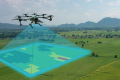
Drones and GPS-guided tractors help in:
- High-resolution field mapping
- Spot spraying and seeding
- Livestock tracking
- Crop scouting from the air
3. AI & Machine Learning
AI algorithms analyze the collected data to:
- Predict crop diseases
- Recommend irrigation schedules
- Optimize planting and harvest times
- Detect anomalies or pest outbreaks
By automating complex decision-making, AI helps reduce waste, lower costs, and improve yields.
Benefits of Precision Agriculture
✅ Increased Crop Yields
Precision data enables better planting strategies, tailored fertilization, and timely pest control—leading to higher output per acre.
✅ Resource Efficiency
Save water, fertilizer, and pesticides by applying only where and when needed.
✅ Reduced Environmental Impact
Less chemical use means lower runoff and better sustainability—a growing demand in modern farming.
✅ Real-Time Monitoring
Farmers no longer need to guess conditions. Instant alerts help mitigate risks and prevent losses.
✅ Data-Driven Decisions
AI-driven analytics replace intuition with facts, improving both short-term gains and long-term strategy.
Real-World Example
In Kenya’s Rift Valley, some tea and maize farmers have adopted smart irrigation systems that use soil moisture sensors and AI to decide when to water. The result? Water savings of up to 40%, and improved crop health during dry seasons.
Globally, companies like John Deere, Trimble, and AgriWebb are rolling out smart tractors, mobile farm apps, and cloud-based crop management platforms—all integrated through IoT and AI.
Challenges to Adoption
While the benefits are clear, some challenges still remain:
- High initial investment in equipment and tech infrastructure
- Limited digital literacy among rural farmers
- Connectivity issues in remote areas
- Data security and ownership concerns
However, with more governments and NGOs supporting agritech capacity building, adoption rates are steadily rising.
Future of Precision Agriculture
The future holds even more advanced applications:
- AI-predicted weather patterns
- Robot-assisted harvesting
- Blockchain-integrated supply chains
- Augmented Reality (AR) for real-time field diagnostics
With these technologies, farming will be more resilient, profitable, and sustainable than ever before.
Conclusion
Precision Agriculture is not just a buzzword—it’s the foundation of the next green revolution. By combining the power of IoT and AI, farmers can overcome traditional challenges, improve yields, and protect the environment. As global food demand rises, embracing smart farming isn’t optional—it’s essential.